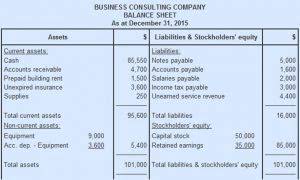
For an example, let’s look at a hypothetical hair product company that makes $15 million in sales revenue. Retained earnings serve as a link between the balance sheet and the income statement. This is because they’re recorded under the shareholders equity section, which connects both statements. If a company decides not to pay dividends, and instead keeps all of its profits for internal use, then the retained earnings balance increases by the full amount of net income, also called net profit.
Reasons for Negative Shareholders’ Equity
- If a potential investor is looking at your books, they’re most likely interested in your retained earnings.
- For instance, tech startups often reinvest heavily to fuel growth, whereas mature utility companies might pay more dividends.
- In a corporation, the earnings of a company are kept or retained and are not paid directly to owners.
- There are numerous factors to consider to accurately interpret a company’s historical retained earnings.
- Shareholders profit when a company profits; they receive dividends and hold equity in the business.
- If a company pays all of its retained earnings out as dividends or does not reinvest back into the business, earnings growth might suffer.
- Retained earnings represents the amount of value a company has “saved up” each year as unspent net income.
Retained earnings are the portion of the profit saved to make shareholder dividend payments or for other future uses, such as growing the company and/or product lines or paying off debts. If a company consistently operates at a loss, it’s possible, though less common, for retained earnings to have a debit balance. The income statement (or profit and loss) is the first financial statement that most business owners review when they need to calculate retained earnings.
Formula For Retained Earnings
New companies typically don’t pay dividends since they’re still growing and need the capital to finance growth. However, established companies usually pay a portion of their retained earnings out as dividends while also reinvesting a portion back into the company. The retention ratio helps investors determine how much money a company is keeping to reinvest in the company’s operation. If a company pays all of its retained earnings out as dividends or does not reinvest back into the business, earnings growth might suffer.

How do retained earnings affect a small business’ financial statements?
If the company is experiencing a net loss on its Income Statement, then the net loss is subtracted from the existing retained earnings. If you are a new business and do not have previous retained earnings, you will enter $0. And if your previous retained earnings are negative, make sure to correctly label it. Retained Earnings is the collective net income since a company began minus all of the dividends that the company has declared since it began. Get instant access to video lessons taught by experienced investment bankers.

What is a statement of retained earnings?
Ask a question about your financial situation providing as much detail as possible. The articles and research support materials available on this site are educational and the accumulated net amount of revenue less expenses and dividends is reflected in the balance of are not intended to be investment or tax advice. All such information is provided solely for convenience purposes only and all users thereof should be guided accordingly.
There’s almost an unlimited number of ways a company can use retained earnings. With plans starting at $15 a month, FreshBooks is well-suited for freelancers, solopreneurs, and small-business owners alike. Revenue is often the first determinant in deciding how a company performed. Retained earnings can do more than provide financial insight; they can help you grow your business and enjoy more success, as well. Accounting terms can cause considerable confusion, and knowing the difference when keeping track of your finances is crucial for accuracy and financial literacy. Growth activities might be research and development, expanding premises, or hiring employees.
How are retained earnings different from dividends?
- The articles and research support materials available on this site are educational and are not intended to be investment or tax advice.
- A net income surplus will result in more money allocated to retained earnings after funds are put towards debt repayments, investments, and dividends.
- But retained earnings provides a longer view of how your business has earned, saved, and invested since day one.
- If total liabilities exceed total assets, the company will have negative shareholders’ equity.